Vegemite on Trial: Why Victoria’s Prisons Ban It—and What the Science Shows

国民食が刑務所では“禁制品”!?――終身刑囚が起こしたベジマイト人権裁判と密造酒の科学

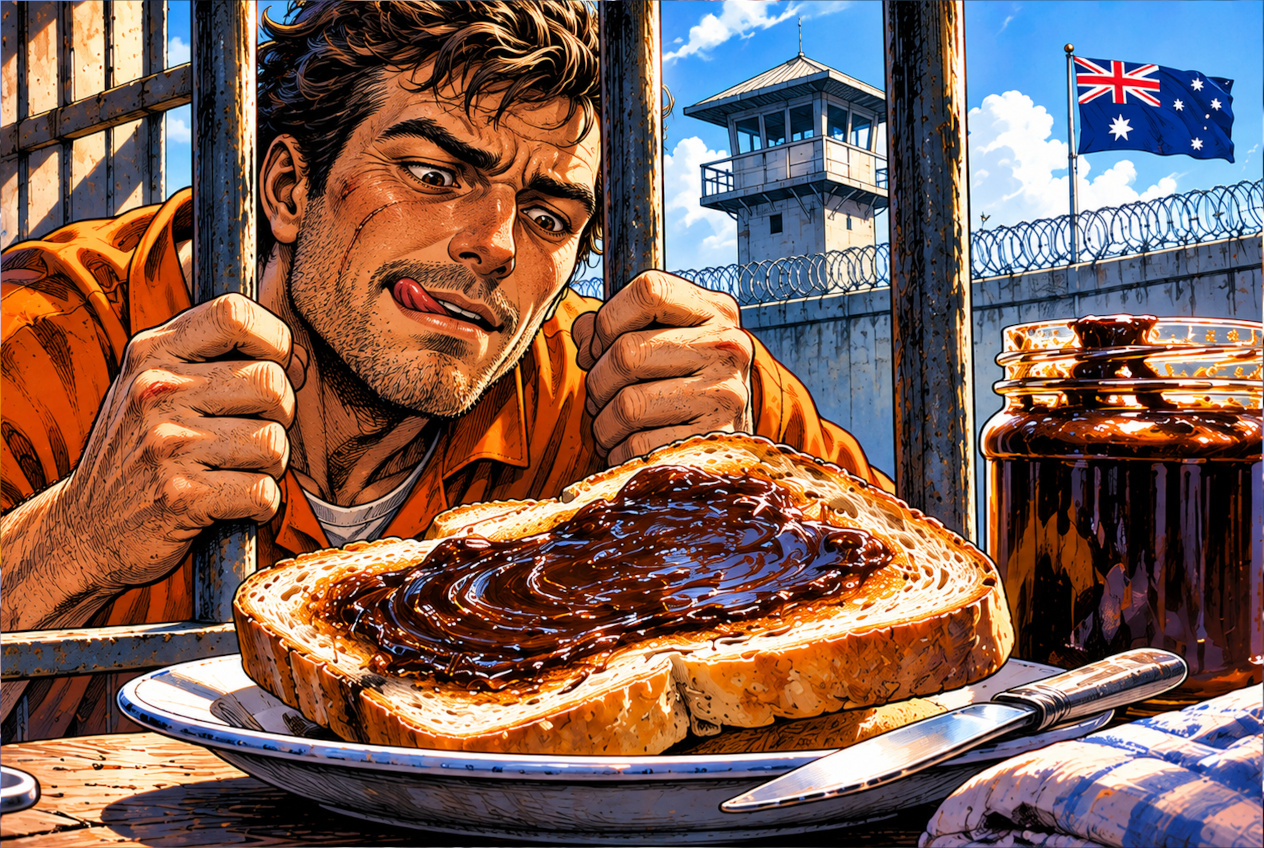
On October 26, 2026, the Supreme Court of Victoria delivered a ruling in one of Australia’s more unusual food-related legal disputes.

Andre McKechnie, a prisoner serving a life sentence for murder, had challenged a ban on Vegemite in Victorian prisons. He wanted to be allowed to eat the iconic Australian spread while behind bars.

Vegemite is a thick, dark-brown yeast extract spread, traditionally eaten on toast. For many Australians, it is a familiar part of breakfast. But Victoria’s prisons have prohibited it since around 2006.

McKechnie’s argument went beyond a personal food preference. He claimed that denying him Vegemite interfered with his right to enjoy Australian culture.

He lost the case. Yet the reasons for banning the spread raise questions that go well beyond cultural rights.

According to prison authorities, Vegemite could help prisoners make alcohol and might interfere with drug-detection dogs. How much scientific evidence supports those concerns?
Read more

The Pani Puri Went Back in the Bucket. Was It Ever Sold?

道路に落ちたパニプリを拾ってバケツへ――「その後、客に売った」は本当なのか?

On October 25, 2026, a video allegedly filmed in Kuala Lumpur, Malaysia, began attracting attention on social media. It showed something no street-food customer wants to see.

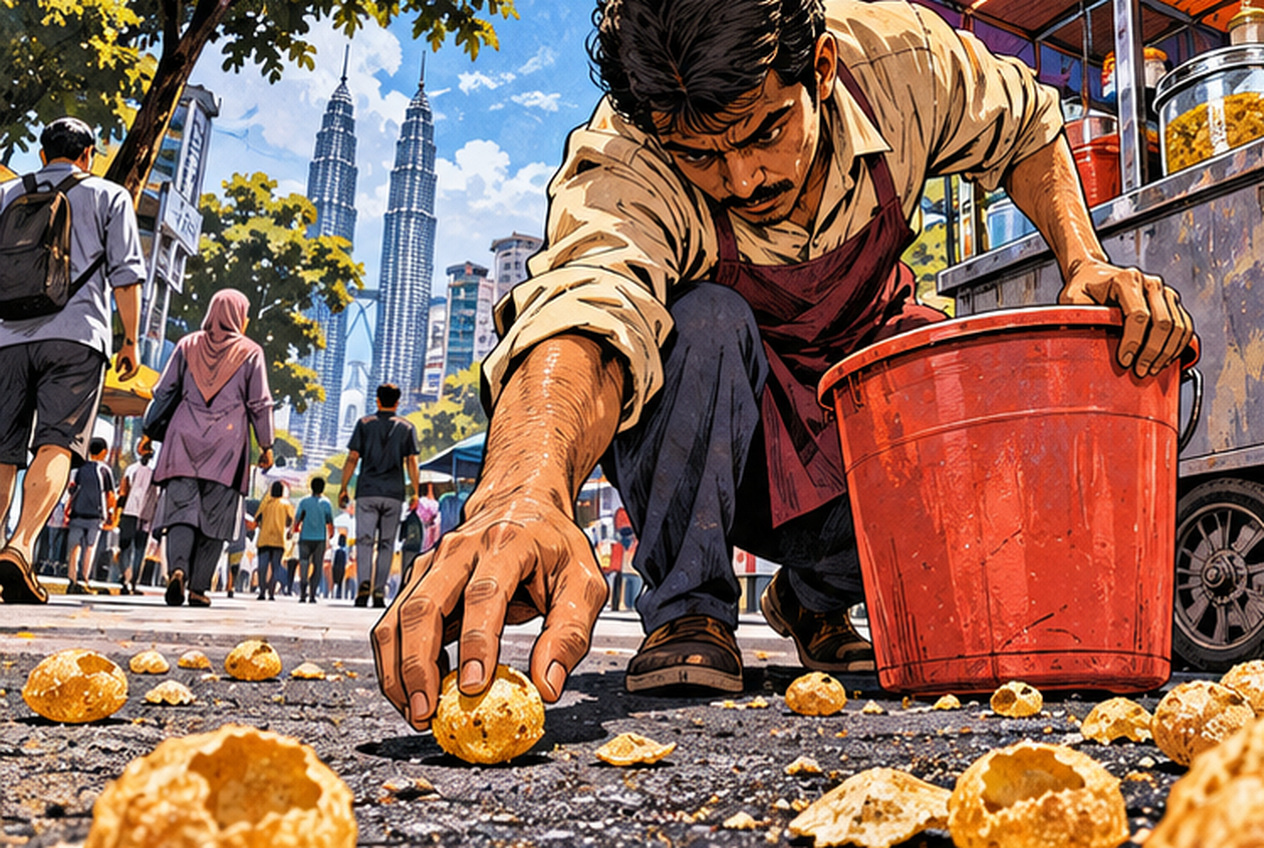
In Brickfields, a neighborhood known for its Indian shops and restaurants, a batch of panipuri shells had reportedly spilled onto the road near the NU Sentral shopping mall. The exact date of filming has not been established.

A person believed to be a food vendor was then seen picking up the scattered shells, one by one, and putting them back into a bucket.

For some viewers, this was street food taken a little too literally. Others were more concerned: were those same shells going to end up on customers’ plates?

But there is an important gap in the story. Local reporting confirms that the food was picked up and returned to a bucket. It does not establish that the food was subsequently sold to a customer.

That distinction is worth examining. So is the science of dropped food, and what Malaysia’s food hygiene regulations actually require.

Read more

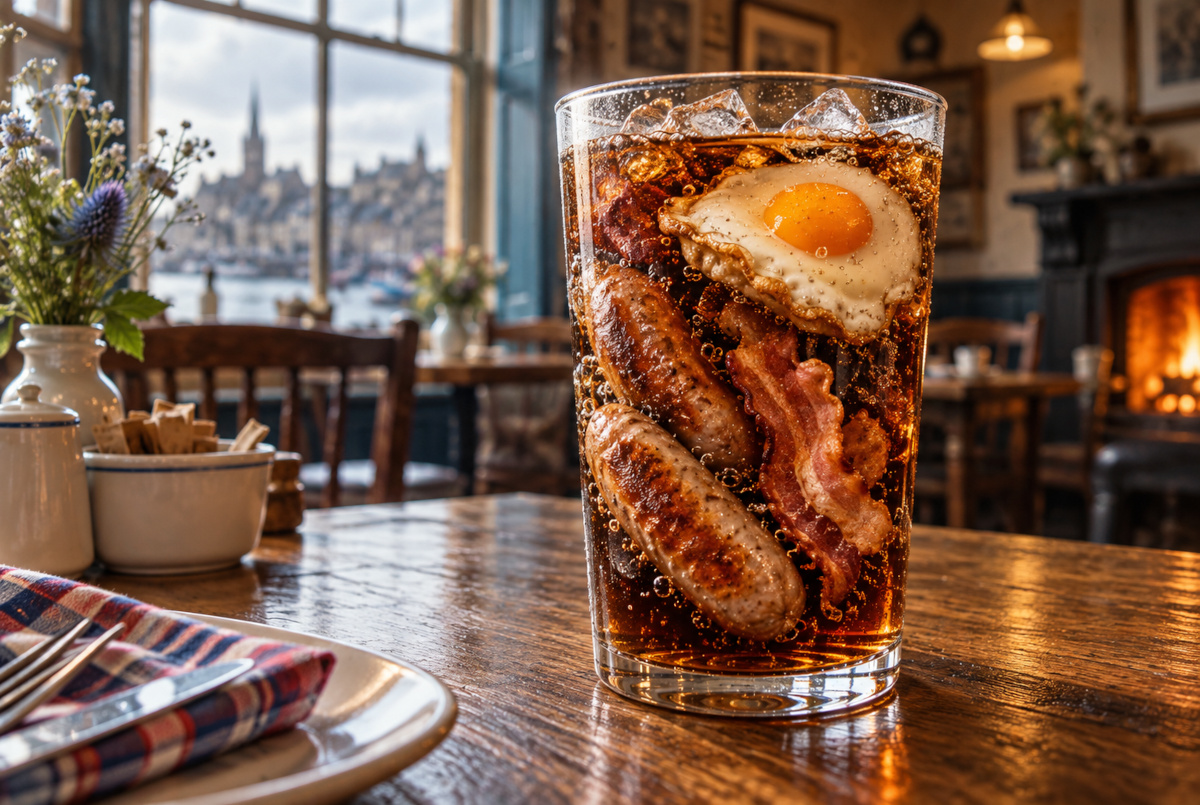
Bacon and Eggs in Cola? Just Eat’s AI Images Passed Human Review

コーラに目玉焼きが浮いた!?――AIが英国の朝食を誤解、Just Eat「人間も確認した」の謎

On October 19, 2026, British media reported that food delivery platform Just Eat had apologised for some remarkably strange menu images.

One showed what looked like a glass of cola. Floating inside were sausages, bacon and a fried egg.

No, this wasn’t an experimental breakfast drink. An AI image generator had apparently interpreted a menu item called “Breakfast Soda” as a fizzy drink containing breakfast ingredients.

Just Eat had been trialling AI-enhanced images for restaurants without photographs of their dishes. But after a series of bizarre results came to light, the company paused the rollout.

Here’s the particularly curious part: according to Just Eat, every AI-generated image had been manually checked by a person.

So what exactly did the AI misunderstand? And how did images like these get through human review? To find out, we compared local reporting with actual restaurant menus on Just Eat.

Read more

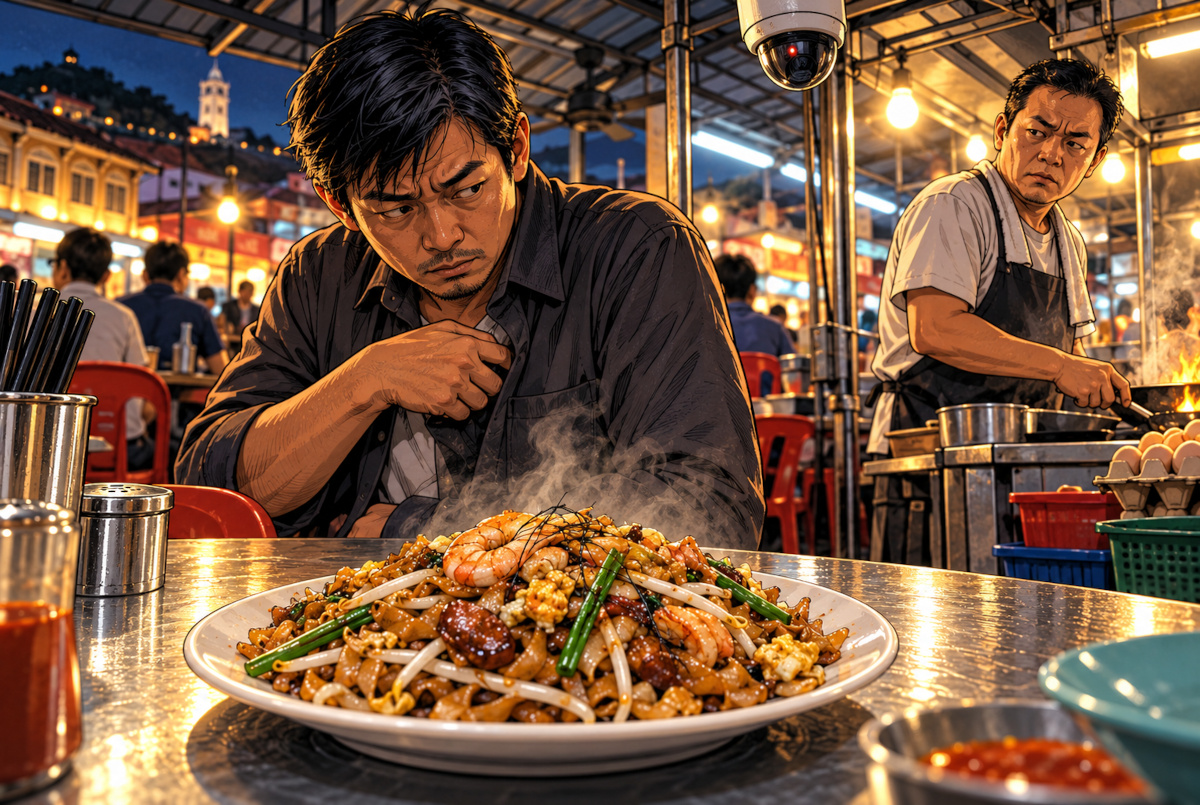
Why Was the Hair Dry? The Penang Char Kway Teow Complaint That Led to a CCTV Check

「毛が入っているから払わない」――だが、その毛は乾いていた。ペナン“胸毛チャークイティオ”疑惑

A customer complains that there is hair in his food and refuses to pay. On its own, that sounds like an unpleasant but fairly ordinary restaurant dispute.

What happened at a restaurant along Persiaran Gurney in George Town, Penang, on October 4, 2026, was stranger. Local reports place the incident in the 5 p.m. hour. A man described in local media as a foreign national complained that he had found hair in his char kway teow and left with a woman accompanying him without paying a bill of about RM30.

But the detail that bothered the restaurant manager was not simply that there was hair in the food. The hairs appeared to be dry.

Read more

Why a French Historic Town Banned Visible Laundry—and Why It Became More Than a Question of Appearance

On June 3, 2026, a municipal order took effect in Villeneuve-sur-Lot, a town in southwestern France, restricting laundry that can be seen from public spaces in parts of its historic center. In French administrative terms, the measure is an arrêté municipal—a municipal executive order rather than a bylaw passed by a local council.

At first glance, the story sounds almost too easy to summarize: beautiful European streets come first, everyday life comes second. But once the case is examined more closely, it stops being a quirky story about underwear and balconies. It turns into a much larger question involving heritage preservation, tourism, poverty, aging housing, energy use, and just how far local government should be able to regulate ordinary domestic life.

Read more