They Know Where Samba Is. So Why Can’t They Catch the Capybara?

居場所は分かった。なのに捕まらない!――英国カピバラ「サンバ」、7か月逃亡の謎

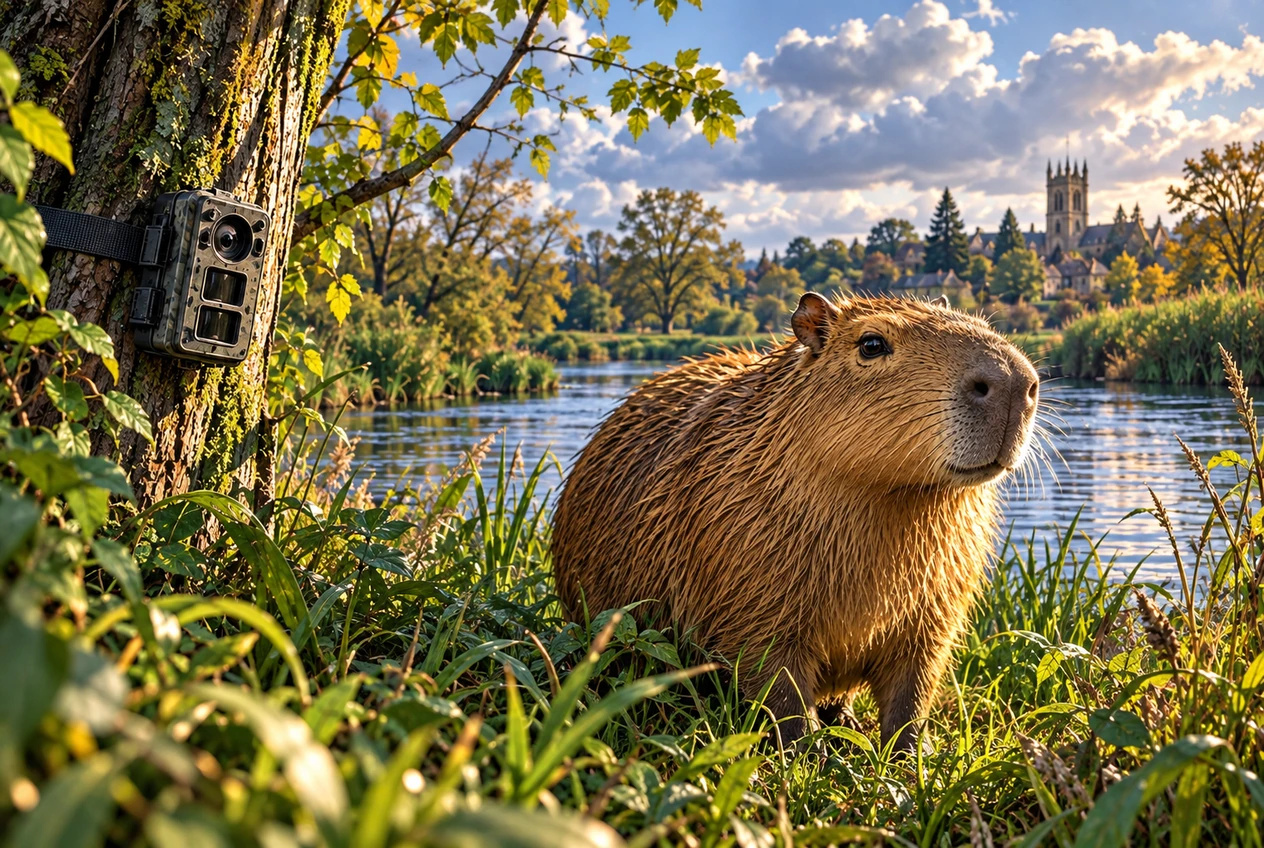
On October 27, 2026, Marwell Zoo in Hampshire, England, released new camera-trap images of a capybara that had been on the run for more than seven months.

Her name is Samba, a young female capybara originally brought to the zoo from another wildlife park. Capybaras are the world’s largest rodents, native to South America.

Since her escape, search teams have deployed thermal-imaging drones, tracking dogs, wildlife cameras and more than 20 staff members. Two of the cameras were even stolen during the search.

Yet Samba remains at large.

Here is the strange part: the zoo now knows the general area where Samba is living. It still cannot simply go in and bring her home.

Why not? Marwell’s official search records, together with the story of another escaped British capybara, reveal why locating an animal and safely recovering it are two very different challenges.
Read more

One Stoat, £148,790 in Extra Funding: Why Rousay Went on a Six-Month Hunt

オコジョ1匹に約15万ポンドの追加予算!?――AIを投入した英国の島の大捕物

On October 9, 2026, a six-month wildlife hunt on a remote Scottish island finally came to an end.

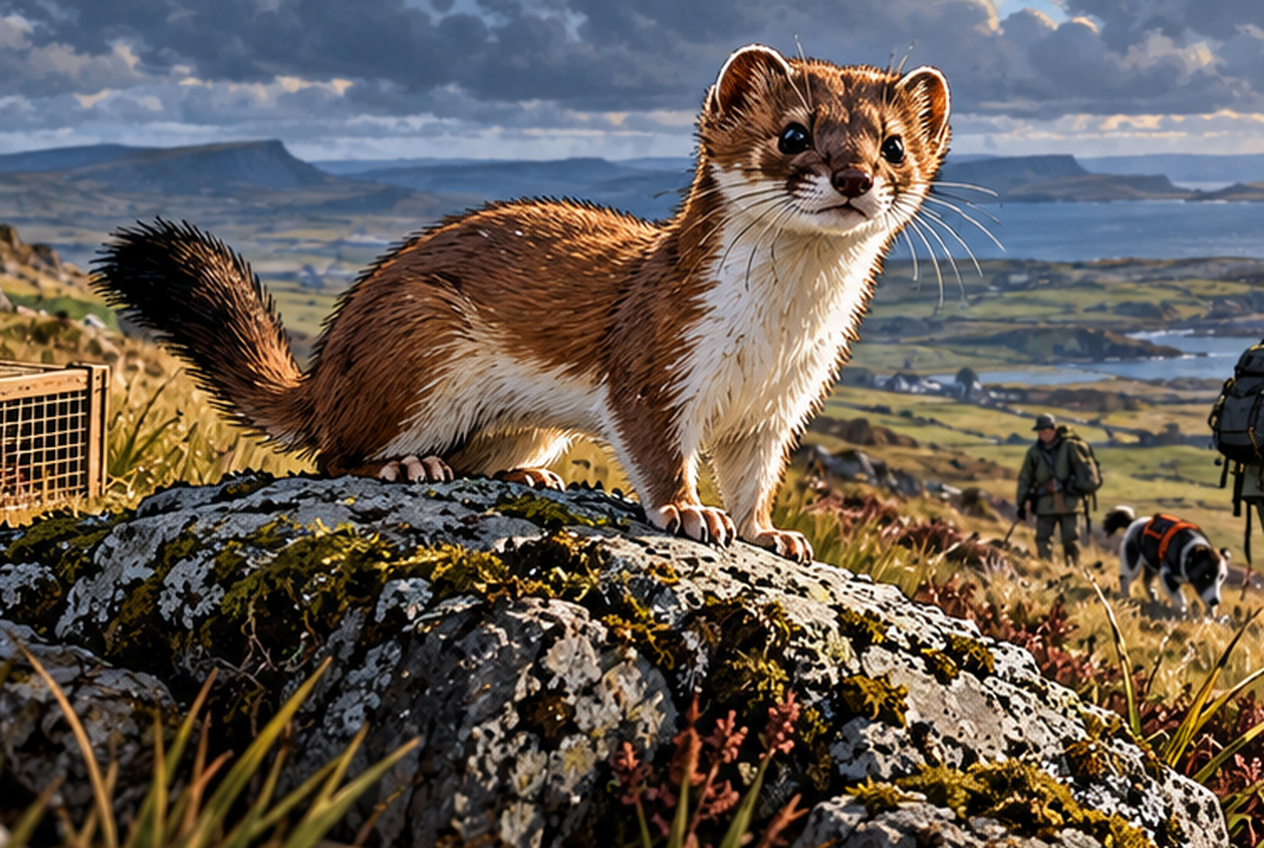
The quarry was a single stoat, a small carnivorous mammal measuring roughly 30 cm (12 inches) in body length.

Yet catching this one animal involved detection dogs, AI-assisted cameras, an extensive network of traps and an additional £148,790 in approved funding.

There was another twist: the captured stoat was male. No female had been confirmed on the island.

Why did one male stoat warrant an island-wide search and nearly £150,000 in extra funding?

A closer look at the project’s official records, local reporting and financial disclosures reveals a more complicated story than an extraordinarily expensive pest-control operation.

Read more

More Than 20 Otters Appeared in a Thai Canal. Why Were There Two Groups?

タイの運河にカワウソ20匹超、なぜ突然? 40年住む住民も初めて見た「2つの群れ」

Just north of Bangkok, in Thailand’s Nonthaburi province, residents witnessed a wildlife scene that was unusual even by local standards.

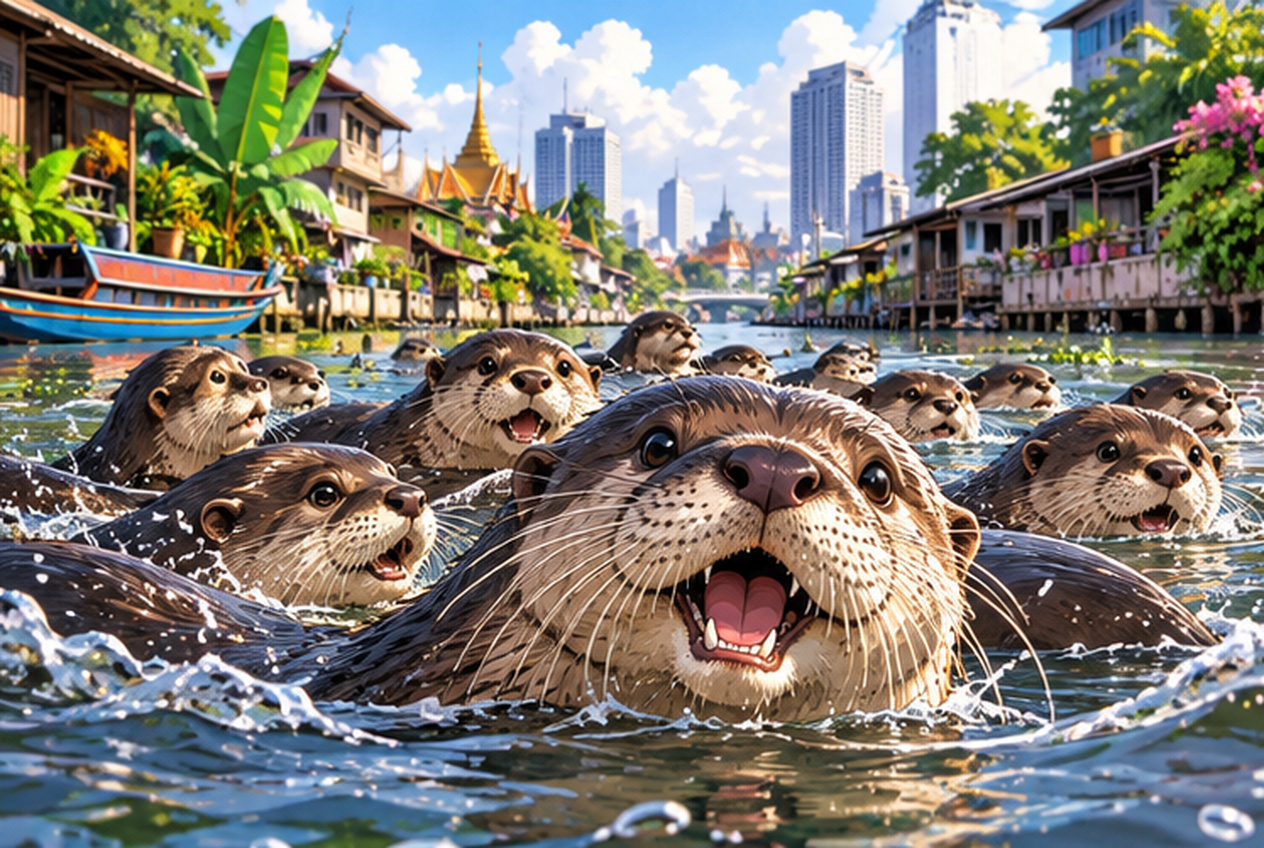
At around 3 p.m. on October 5, 2026, more than 20 otters, both large and small, were spotted swimming and catching fish in the Bangkok Noi Canal near Bang Khu Wiang Canal in Bang Krang, Mueang Nonthaburi district.

One otter is cute. Three might look like a family outing. More than 20 is something else entirely. Residents who had lived along the canal for over 40 years said they had never seen so many there at once.

Read more

The World’s Smallest Bear Is Walking Through a Malaysian Neighborhood—How Dangerous Are Sun Bears?

世界最小のクマが住宅街を歩く――マレーシアで20日間に5件、マレーグマはどこまで危険なのか

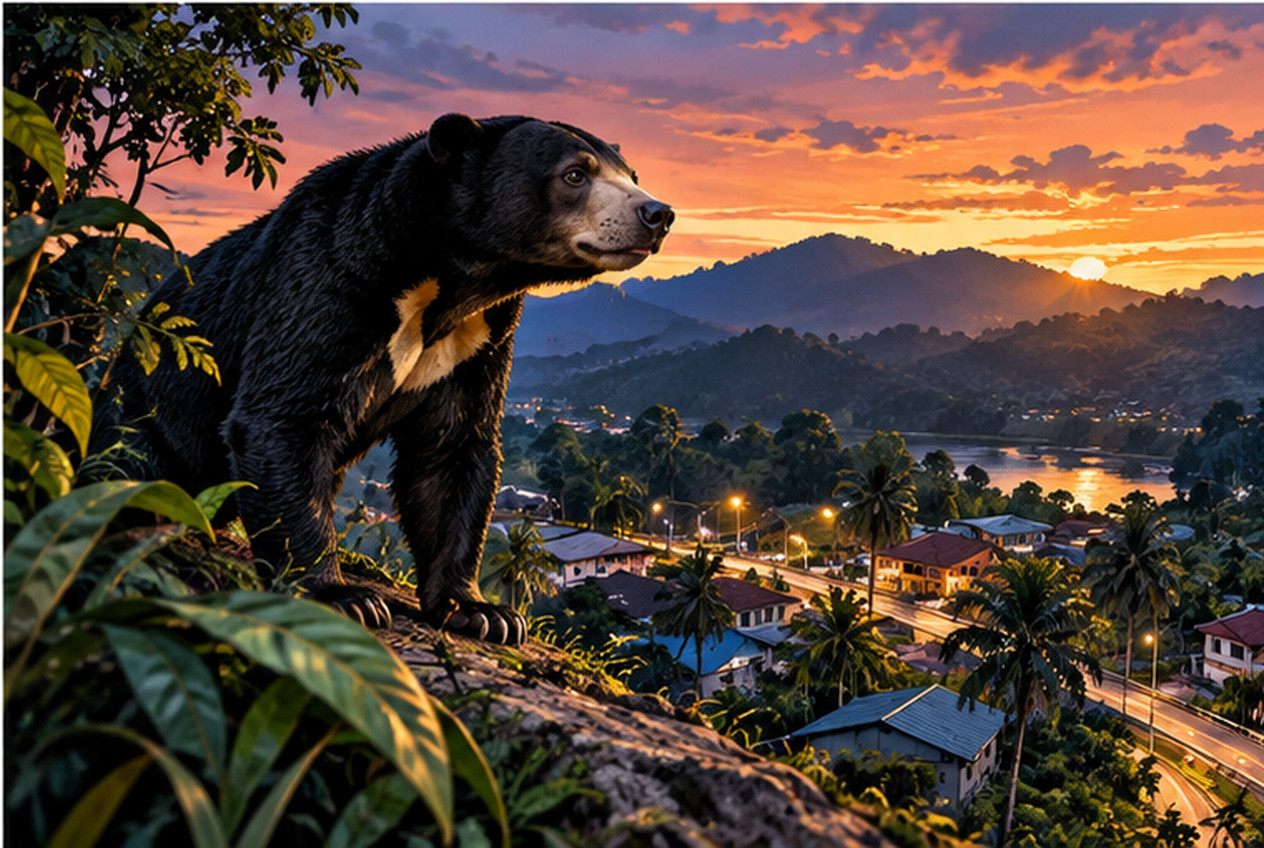
On September 28, 2026, a sun bear was spotted walking through a residential area in Kampung Ulu Kenderong, Gerik, in the northern Malaysian state of Perak. Video of the black bear wandering beside the road spread on TikTok, and the Perak Department of Wildlife and National Parks, better known as PERHILITAN, confirmed the sighting.

It was not the first report. Sightings had already been reported at Taman Raflesia on September 9, Kampung Air Panas on September 12 and 16, followed by another report on September 18 and the Ulu Kenderong sighting on September 28. That makes at least five reports between September 9 and September 28. Authorities have not established that all five involved the same individual bear.

Read more

Why New Zealand’s DOC Gets Calls About UFOs, Cats and Seals

A UFO has fallen into the mountains. There is a black cat at the front door. Someone wants something done about possum droppings. Another person is worried about a supposed MMA fight between a human and a chimpanzee.

None of those questions went to the police, a veterinary clinic or a television station. They ended up with New Zealand’s Department of Conservation, better known as DOC.

On September 14, 2026, DOC published a selection of unusual inquiries received by its customer service team. During the 12 months ending August 31, 2026, the agency handled 42,637 phone calls and 22,394 emails. Of those calls, 2,977 were classified as unrelated to DOC’s work.

That means only about 7% of the calls were actually off-topic. So no, New Zealanders were not making 42,000 bizarre phone calls to a conservation agency. Still, the examples raise an obvious question: why does one government department end up hearing about everything from wildlife to UFOs?

Read more