
Laos Lottery Error: Prize Reversed After 30 Minutes—How Did It Reach the Bank?

ラオス宝くじ、当選番号を誤表示→賞金入金→30分後に消えた なぜ銀行口座まで届いた?

On February 6, 2026, something peculiar happened during a Lao Development Lottery draw. The officially certified six-digit winning number was 837430. But viewers watching Lao National Television saw a different number on screen: 387430.

At first glance, this sounds like an ordinary broadcast mistake: one digit in the wrong place, an apology, end of story. But by the time the broadcaster acknowledged the error on February 7, the problem had apparently traveled much further. A lottery buyer named PaNoy Bouttavong said the incorrectly displayed number had been recognized by the lottery app as a six-digit winner, the prize money was transferred to a bank account, and the transaction was reversed roughly 30 minutes later.

Read more

How a Florida Drone Dispute Escalated Into an Alleged $5,000 Murder-for-Hire Plot

ドローン騒動から5000ドルの殺人依頼疑惑へ 米フロリダの隣人トラブルはなぜ暴走したのか

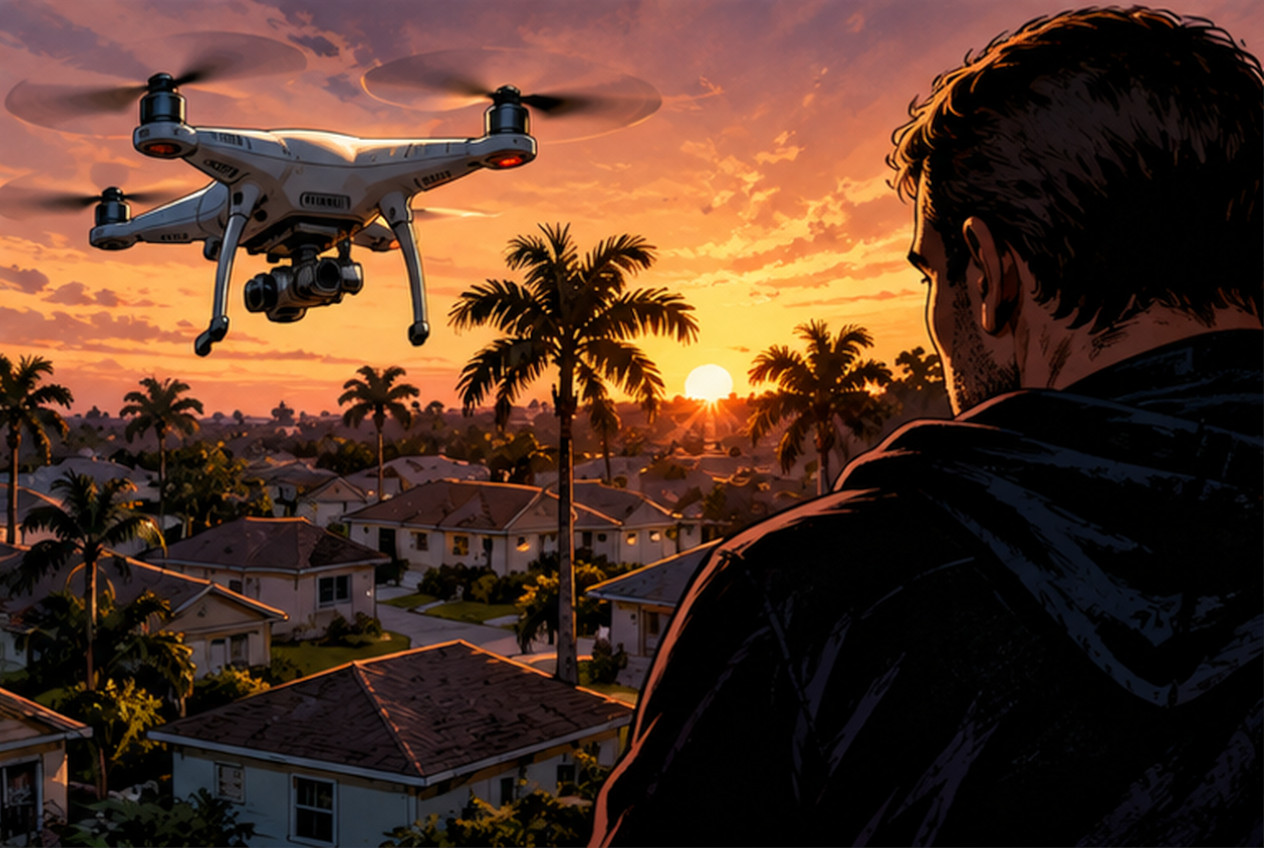
A drone over the neighborhood. Complaints about speed. A teenager riding a dirt bike. None of these sounds especially unusual as the starting point of a neighborhood dispute.

But in Lake County, Florida, a 69-year-old man with a history of conflicts involving nearby residents ended up in jail — and was then accused of asking another inmate to kill one of his neighbors. According to a probable cause affidavit reviewed by local media, the alleged offer included $5,000 up front.

The strangest part is that the case did not suddenly jump from “drone dispute” to “murder-for-hire allegation.” Over roughly six months, a series of relatively small neighborhood conflicts appears to have escalated one step at a time.

Read more

The Bangkok Koi Case: Why Fish Count Under Thailand’s Cruelty Law

なぜ錦鯉でも動物虐待になる? タイ・バンコクの奇妙な侵入事件を追う

On the night of September 7, 2026, a 51-year-old man arrived by bicycle at a private home in Bangkok’s northern Lak Si area. Near the front of the property was a pond filled with koi.

According to Thai media reports, CCTV showed the man walking around the pond at about 8:30 p.m. Around eight minutes later, he allegedly entered the water and handled one of the koi in a way that raised animal-cruelty concerns. A housekeeper and the owner then spotted him. The man fled on his bicycle, while the owner fell and was injured during the pursuit.

Yet the strangest part of the case is not simply what happened in the pond. The camera captured the critical footage only because another odd incident earlier that same afternoon had prompted the household to point it toward the water.

Read more

Why Did a Man in a Spider-Man Mask Scatter 80 Pokémon Cards at a Thai Zoo?

なぜ黒いスパイダーマンはポケモン80枚をまいたのか? タイ動物園侵入事件の奇妙な背景

A man in a black Spider-Man-style mask enters a zoo, removes a sign from the wall, spreads out a colorful peace banner, arranges Pokémon plush toys on the ground, scatters 80 Pokémon cards across the area and then rides away on a motorcycle.

It sounds like a scene invented for the internet. But in September 2026, something very close to that actually happened on the Thai resort island of Koh Samui.

Thai newspaper Khaosod reported the case in detail on September 20. Police said the suspect, a 36-year-old French national identified as Sacha, had been arrested at a hotel on Koh Samui at around 6 p.m. on September 19. The exact time of the zoo intrusion was not specified in the report, so September 20 is better understood as the date the case was widely reported, rather than the confirmed date of the incident itself.

Read more

“No Coffee”: Laos’s Illegal Wildlife Shops Hidden in Budget Tours

ラオスの「No coffee」カフェ――格安ツアーに潜む違法野生動物店

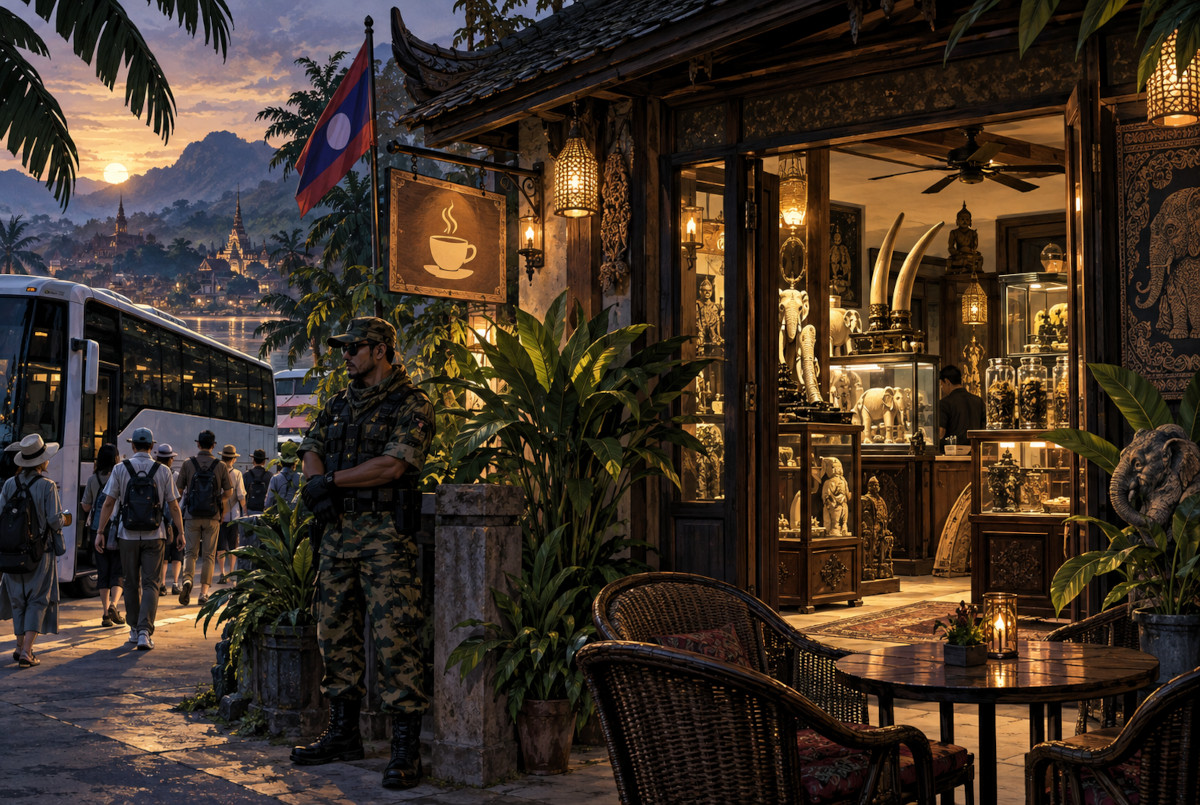
On September 17, 2026, officials in Luang Prabang, one of Laos’s best-known tourist cities, met to deal with a rather unusual problem: souvenir shops.

Authorities said they had inspected 15 premises suspected of involvement in illegal wildlife-product sales, closed two shops and detained foreign suspects. They also moved against businesses that admitted only selected foreign tour groups, calling for legal shops to be accessible to ordinary customers and for tighter scrutiny of businesses linked to so-called “zero-yuan” or “zero-dollar” tours.

But trace the story backward, and it leads to a wonderfully strange clue: a reporter walked up to a place called a coffee shop and was told there was no coffee.

Read more

Freight Train Hit Amtrak Twice Near Memphis — What an 82-Car Shoving Move Really Tells Us

貨物列車がAmtrakに2度衝突――「ブレーキの抵抗」と思った82両の後退運転で何が起きたのか

At about 11:00 a.m. on February 22, 2026, an Illinois Central Railroad Company (IC) freight train, Z19491-21, struck a stopped Amtrak train on the same track near Memphis, Tennessee, at milepost 9.6 on the Shelby Subdivision.

The freight consisted of two locomotives and 82 railcars. Amtrak 59-21 had one locomotive and seven passenger cars, carrying 118 passengers and seven Amtrak employees. The IC train was shoving north on Main Track 1 at about 10 mph when the leading end of the freight consist reached the Amtrak locomotive.

That would already qualify as a low-speed train collision. But the National Transportation Safety Board’s preliminary investigation contains a second, much stranger part.

The IC crew told investigators that they interpreted the resistance from the first collision as resistance associated with an air-brake problem. They then moved forward, reversed again, and about three minutes after the first impact, struck the same Amtrak train a second time at low speed.

Two Amtrak employees and two passengers suffered minor injuries. The bigger puzzle is obvious: how does a train hit another train once, then return and hit it again? To understand that, the accident itself is only half the story. The other half is how U.S. railroads handle switching moves, restricted-speed operation and Positive Train Control.

Read more

Why Did a Nearly Empty Taiwan Home Get an NT$259,457 Electricity Bill?

台湾のほぼ空き家に電気代25万9457台湾ドル なぜ300台湾ドル台が約126万円になったのか

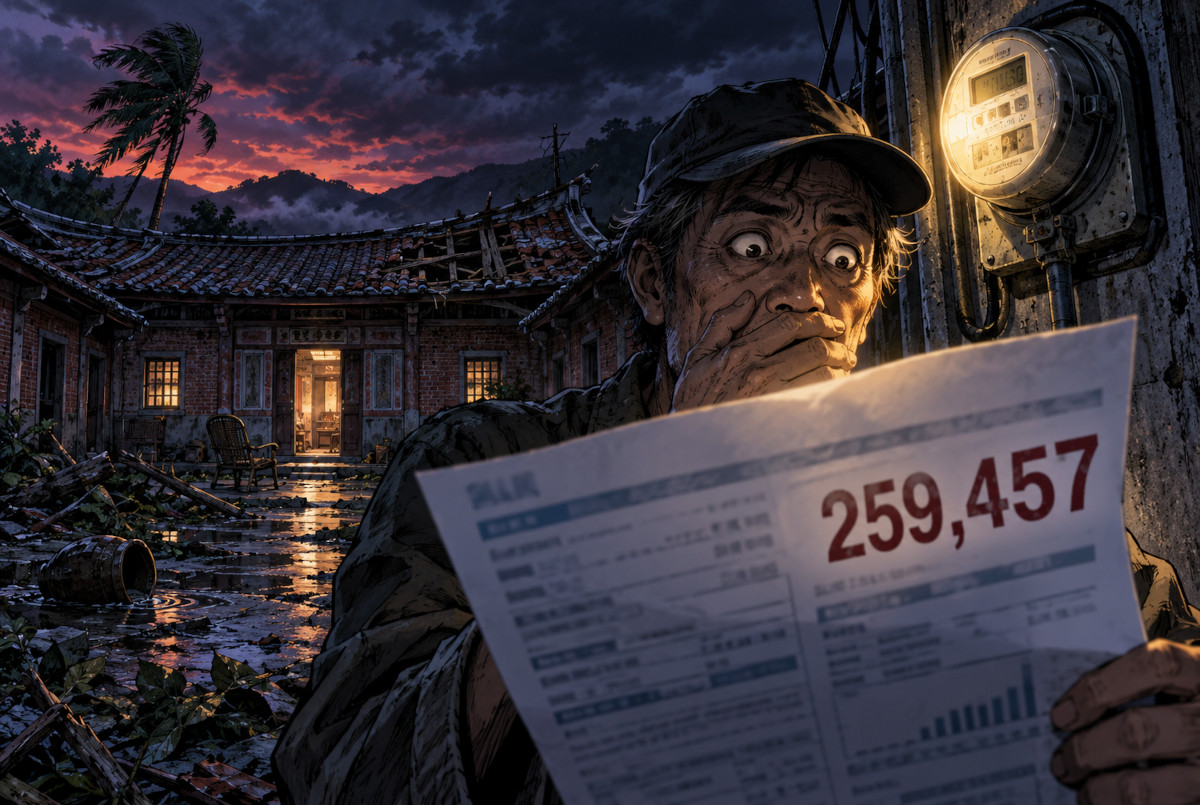
On September 9, 2025, a post from Budai Township in Chiayi County, Taiwan, began attracting attention for a very strange reason. A traditional sanheyuan—a three-sided courtyard house that was barely occupied—had received a July–August electricity bill for NT$259,457.

The family joked that they were not exactly running a Bitcoin mine. And they were right. There was no mysterious power-hungry operation hidden inside the old house. According to Taiwan Power Company, or Taipower, the real cause was much more ordinary: a data-entry error after the electricity meter had been replaced. The correct bill was eventually reduced to just over NT$300.

Read more

Thailand’s “Black Magic Cleansing” Case: 7 Arrest Warrants and Abuse Allegations

黒魔術を払う「聖水浴」で性的被害申告――タイの葬送担当者、7件の逮捕状で逮捕

Bathing in blessed water to wash away bad luck does not sound especially alarming. In Thailand, where religious practice, local custom and folk belief can overlap in everyday life, rituals of protection or purification are hardly unusual.

But on February 12, 2026, women went to Thailand’s Central Investigation Bureau (CIB) with allegations involving an undertaker in Ang Thong Province, central Thailand. They said they had undergone bathing rituals intended to remove คุณไสย (khun sai), a Thai term commonly associated with harmful magic, sorcery or “black magic,” and that sexual acts had occurred during those rituals without their consent.

On March 2, the man was arrested in Song District, Phrae Province, on seven arrest warrants issued by the Criminal Court. As investigators and local authorities examined the case, another issue emerged beside it: an infant cemetery located within the grounds of the temple where he had worked.

Read more

Nepal’s Fake Helicopter Rescue Scam: When Rescue Pays

遭難していないのにヘリ救助? ネパール・ヒマラヤ「偽レスキュー」保険金詐欺

In the Himalayas, a helicopter evacuation can be the difference between life and death. A trekker develops severe altitude sickness or suffers an injury in a remote mountain region, and a rescue helicopter gets them to medical care within hours. There is nothing strange about that. It is exactly what mountain rescue is supposed to do.

But in Nepal, investigators say that lifesaving system was also exploited as a way to extract money from overseas insurance companies.

On January 25, 2026, Nepal Police’s Central Investigation Bureau (CIB) arrested six people linked to rescue and travel businesses as part of an investigation into alleged organized fraud involving foreign trekkers. The investigation later expanded across trekking businesses, rescue operators, aviation, hospitals and other intermediaries. On March 22, cases were filed against 32 defendants. A 33rd defendant was formally charged in April, and by June all 33 were under a second-stage money-laundering investigation.

These are criminal allegations, not convictions. But the structure described in the investigation is striking enough without exaggeration.

Read more